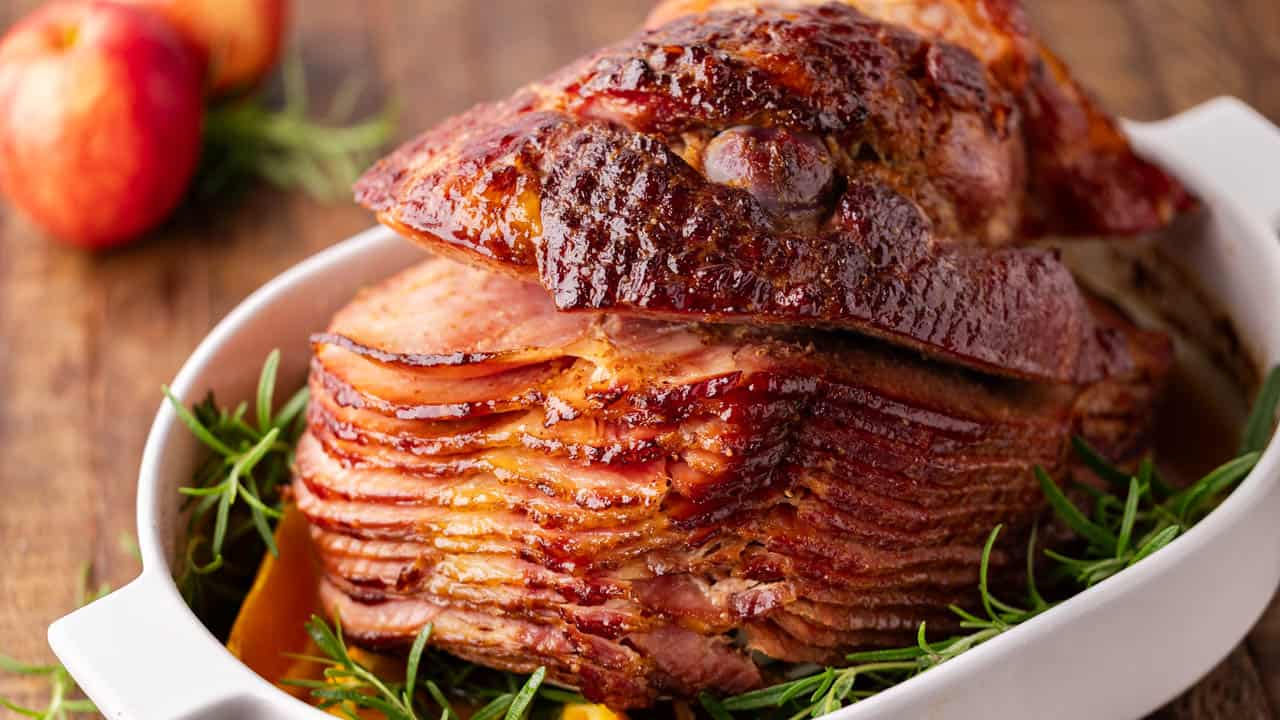
Unlock Moist & Tender Spiral Ham: Essential Cooking Tips
Few dishes command attention quite like a perfectly cooked spiral ham. With its stunning presentation, glistening glaze, and irresistible aroma, it's the quintessential centerpiece for holidays like Easter and Christmas, special family gatherings, or any celebration demanding a touch of culinary grandeur. While its appearance might suggest a complex culinary endeavor, achieving a deliciously moist and tender spiral ham with those coveted caramelized edges is surprisingly straightforward. The secret lies in understanding a few fundamental principles and mastering the right techniques.
Unlike many roasts, a spiral ham comes to you already fully cooked and pre-sliced, making it an incredibly convenient option for busy hosts. Your primary mission isn't to *cook* the ham, but rather to gently warm it through, infuse it with layers of flavor, and coax that beautiful glaze into a sticky, sweet, and slightly crisp coating. This article will guide you through the essential tips and methods to ensure your spiral ham is not just impressive to look at, but truly unforgettable to taste.
Understanding Your Spiral Ham: The Foundation of Flavor
Before you even think about the oven or crockpot, understanding the nature of your spiral ham is key to success. Most spiral hams are cured, smoked, and fully cooked, meaning they are ready to eat cold right out of the package. The goal of heating is to enhance texture, integrate flavor, and provide that warm, comforting experience central to a holiday meal.
When selecting your ham, look for one with a decent fat cap. This layer of fat is your ally in keeping the ham moist and juicy as it heats, rendering down and basting the meat naturally. While specific brands like
Smithfield or
Boar's Head are often praised for quality, focusing on a reputable producer will generally yield good results.
One often-overlooked step that significantly boosts flavor penetration is
scoring the fat layer if your ham still has a substantial one. Using a sharp knife, carefully cut shallow lines across the fat in a diamond pattern, being careful not to cut too deeply into the meat itself. This not only creates an attractive pattern but also allows your glaze to seep into every crevice, ensuring each slice is bursting with flavor.
The Oven Method: Classic Perfection for a Glazed Spiral Ham
The oven remains the go-to method for many home cooks, offering control over caramelization and a reliably grand presentation. This technique focuses on gentle, even heating to prevent drying out, while allowing your chosen glaze to transform into a glossy, irresistible crust.
1.
Preparation is Key: Remove your spiral ham from the refrigerator at least 30 minutes to an hour before cooking to allow it to come closer to room temperature. This promotes more even heating.
2.
Set the Stage for Moisture: Place your ham, cut-side down, on a rack in a sturdy roasting pan. To create a humid environment that actively combats dryness, pour about 1/2 to 1 cup of water, apple cider, or even a light broth into the bottom of the roasting pan. This liquid will create steam, bathing the ham and keeping it exceptionally moist.
3.
Cover and Conquer: Tent the ham loosely but securely with aluminum foil. This is crucial for trapping that moisture and preventing the outer layers from drying out before the center is warmed through.
4.
Bake Gently: Preheat your oven to a moderate temperature, typically around 300-325°F (150-160°C). Bake the ham for approximately 10 to 12 minutes per pound. Remember, you're not cooking it; you're warming it.
5.
The Glaze Reveal: During the last 30-45 minutes of baking, remove the foil and generously brush your prepared glaze over the entire surface of the ham, allowing it to drip down into the spiral cuts. Return the ham to the oven, uncovered, to allow the glaze to caramelize and become sticky and beautiful. You may want to baste with more glaze every 10-15 minutes during this final stage for maximum flavor and shine.
6.
Temperature Check: The ultimate indicator of readiness is an internal temperature of
140°F (60°C) measured with a reliable meat thermometer inserted into the thickest part of the ham, avoiding the bone. This temperature ensures it's perfectly warmed and safe to eat.
7.
Rest for Juiciness: Once it reaches temperature, remove the ham from the oven, tent it again with foil, and let it rest for 15-20 minutes before carving. This resting period allows the juices to redistribute, ensuring every slice is as tender and succulent as possible. For more detailed oven-baking methods and glazing ideas, be sure to check out
The Best Glazed Spiral Ham for Your Holiday Centerpiece.
Effortless Elegance: Cooking Spiral Ham in a Crockpot
For hosts who crave minimal fuss and maximum flavor, the slow cooker (or crockpot) method is a true game-changer. It ensures unbelievably tender and juicy results with virtually no hands-on effort, freeing up your oven for other dishes and letting you enjoy your guests.
1.
Sizing Matters: Choose a spiral ham that comfortably fits into your crockpot. You may need to trim a small portion if it's too large, or opt for a smaller ham.
2.
Flavorful Base: Place the ham, cut-side down, into the slow cooker. You can add a splash of liquid (like apple cider, orange juice, or water) to the bottom, though the crockpot's sealed environment is incredibly efficient at retaining natural moisture. This also gives a great base for your glaze.
3.
Glaze Integration: Apply a portion of your glaze at the beginning, letting it seep into the cuts as the ham slowly warms. You can reserve some to brush on later for a fresher finish.
4.
Slow and Steady: Cook on the LOW setting for 4-6 hours, or until the internal temperature reaches
140°F (60°C). The beauty of the crockpot is its consistent, low heat, which slowly infuses flavor and maintains unparalleled moisture.
5.
Final Flourish (Optional): If you desire a caramelized crust, you can carefully transfer the ham to a roasting pan for the last 15-20 minutes, brush with additional glaze, and broil briefly (watch carefully to prevent burning). Alternatively, just a final glaze application in the slow cooker will yield a lovely, flavorful finish. This method is incredibly versatile and perfect for a stress-free meal. Discover more easy methods for both oven and crockpot cooking at
Cook a Perfectly Juicy Spiral Ham: Easy Oven & Crockpot Methods.
Crafting the Perfect Glaze: Sweet & Savory Harmony
The glaze is where your spiral ham truly shines, adding layers of sweet, tangy, and savory notes that complement the rich ham flavor. While many hams come with a glaze packet, creating your own allows for endless customization and superior taste.
*
Classic Sweet & Tangy: A popular choice often features brown sugar (light or dark for a deeper flavor), pineapple juice or crushed pineapple, Dijon mustard, and a touch of vinegar (apple cider vinegar works beautifully). Orange juice or apple cider can substitute for pineapple juice for a different fruit profile.
*
Apricot-Bourbon Bliss: For a more sophisticated twist, combine apricot preserves, a splash of bourbon, brown sugar, and a hint of spice like ground ginger or cinnamon. Allspice or nutmeg can also replace cinnamon for a unique aromatic profile.
*
Honey-Mustard Magic: A blend of honey, whole grain or Dijon mustard, brown sugar, and a dash of Worcestershire sauce offers a delightful balance of sweet and savory with a slight piquant kick.
*
Adding Depth: Consider enhancements like orange marmalade for a citrusy depth, a pinch of cayenne for a subtle warmth, or fresh herbs like rosemary or thyme for an aromatic finish.
The key to a successful glaze is simmering it gently to allow the flavors to meld and thicken slightly before application. Don't be shy about brushing it generously over the ham, ensuring it drips into all the pre-cut spirals. This is what creates those coveted sticky, caramelized edges.
Serving & Savoring: Carving, Sides, and Leftovers
Once your perfectly cooked spiral ham has rested, it's time for the final act: carving and serving.
*
Carving with Ease: Even though spiral hams are pre-sliced, a bone-in ham might seem daunting. It’s actually quite simple. Place the ham on its flat bottom or larger cut side. Using a long, sharp carving knife, make cuts perpendicular to the bone, following the natural spiral cuts. Once you reach the bone, simply cut around it to release the slices. The ham slices will effortlessly fall away, ready for your guests.
*
Accompanying Sides: A show-stopping spiral ham deserves equally delicious sides. Classic pairings include creamy mashed potatoes, roasted seasonal vegetables (like asparagus or Brussels sprouts), a vibrant green bean casserole, or a fluffy sweet potato soufflé. Don't forget a warm, crusty bread to sop up any extra glaze!
*
Leftover Love: One of the best aspects of cooking a spiral ham is the abundance of delicious leftovers. Store any remaining ham in an airtight container in the refrigerator for up to 5-7 days. For longer storage, freeze slices in a freezer-safe bag or container for up to 3 months. To reheat, do so gently in the microwave or a covered dish in the oven to retain moisture. Leftovers are perfect for sandwiches, omelets, ham and bean soup, quiches, or adding to pasta dishes – truly a gift that keeps on giving!
With these essential tips and techniques, you're well on your way to unlocking the full potential of a moist, tender, and irresistibly flavorful spiral ham. Whether you opt for the classic oven roast or the effortless crockpot method, your efforts will culminate in a celebratory centerpiece that is sure to earn you rave reviews and create lasting memories around your table.